Seconds to Stardom: How the 15-Second Clock Rewired the Entire Entertainment Industry
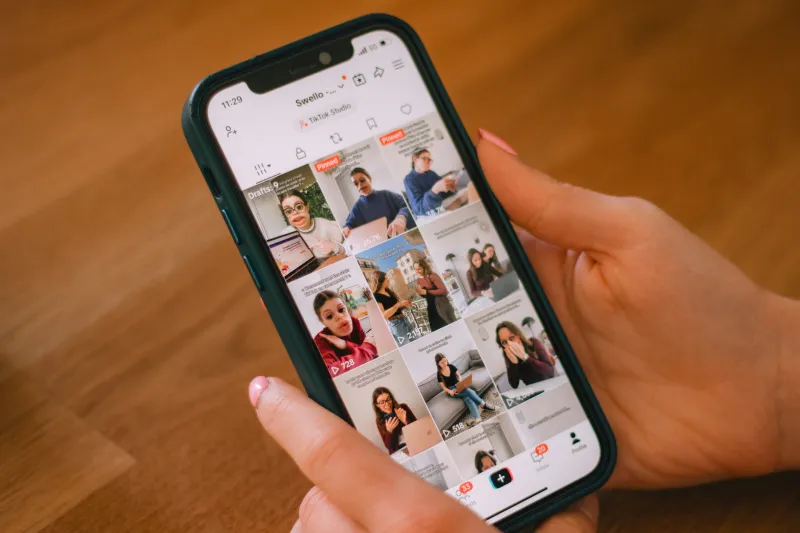
Photo: person scrolling TikTok phone screen colorful videos social media, via images.unsplash.com
Fifteen. That's the number nobody in a Hollywood boardroom was watching in 2018. They were busy obsessing over opening weekend grosses, Nielsen ratings, and subscriber counts. Meanwhile, a platform originally built for lip-sync videos was quietly running the most disruptive experiment in entertainment history — and the unit of measurement wasn't dollars or demographics. It was seconds.
Welcome to the era where 15 equals everything.
The Number That Started a War
When TikTok first capped its videos at 15 seconds, it wasn't a creative choice — it was an engineering one. Short clips load faster, loop more naturally, and keep users in the app longer. But that constraint accidentally became a creative crucible. Creators couldn't waste a single frame. Every second had to earn its place.
The result? A format that trained an entire generation to expect immediate payoff. No slow burns. No setup. Just the hook, right now, or you're already gone.
For traditional entertainment, this was a five-alarm fire. Studios had spent decades perfecting the art of the slow build — the two-minute trailer, the 22-episode arc, the three-act structure. TikTok torched all of that and handed the matches to teenagers.
View Counts vs. Watch Time: The Two Metrics Fighting for Your Soul
Here's where it gets interesting from a pure numbers standpoint. On legacy platforms, success was measured by eyeballs — how many people showed up. But TikTok introduced a more brutal metric: watch time percentage. It's not enough for someone to click your video. The algorithm wants to know if they stayed.
A video with 2 million views but a 40% watch-through rate can actually underperform compared to one with 300,000 views and an 85% completion rate. The platform is essentially grading you on how well you held the room, not just how many people walked in the door.
This flipped the entire entertainment incentive structure on its head. Suddenly, a three-minute song that people replayed 11 seconds of was more algorithmically valuable than a five-minute deep cut that a smaller audience actually loved. Numbers that used to mean success started meaning something completely different.
Hollywood Learned to Speak TikTok (Whether It Wanted To or Not)
The film and music industries didn't exactly embrace this shift with open arms. But they adapted — fast.
Movie trailers got shorter and front-loaded their best moments. Songs started with the chorus instead of building to it. TV show marketing pivoted from polished 60-second spots to lo-fi, creator-style clips designed to look organic. Studios started hiring TikTok consultants the same way they once hired publicists. The goal wasn't just promotion — it was virality engineering.
And the math is pretty stark. Films with significant TikTok momentum before release — think Everything Everywhere All at Once or the Barbie campaign — consistently outperformed their tracking projections. Meanwhile, big-budget releases that couldn't crack the short-form code found themselves struggling to connect with audiences under 35, no matter how much traditional ad spend they threw at the problem.
The viral threshold — that fuzzy number where organic sharing takes over and paid promotion becomes secondary — became the most coveted metric in entertainment marketing. Nobody agrees on exactly what it is, but everyone's chasing it.
The Creator Economy Runs on Different Math
Here's the part that really scrambled the old entertainment math: TikTok didn't just change how studios market content. It created an entirely parallel entertainment economy where the old gatekeepers don't have a seat at the table.
A creator with 4 million followers and a strong niche can generate more genuine cultural impact than a mid-level network TV show with 10 times the production budget. Brand deals, merchandise, live events, course sales — the revenue model for a successful creator doesn't look anything like a studio P&L, and that's exactly the point.
The numbers that matter in creator economics are engagement rate (likes, comments, and shares divided by followers), follower growth velocity, and that all-important watch time. A creator who understands these metrics can essentially reverse-engineer their own success — testing formats, hooks, and posting times the same way a scientist runs trials.
This is content creation as a numbers game, played in real time, with the algorithm as referee.
What We Actually Lost (And What We Gained)
It's worth being honest about the trade-offs here. The 15-second economy has produced genuine cultural moments — songs that became anthems, comedians who found massive audiences, social movements that organized faster than any PR firm could have managed. That's real.
But it's also compressed our collective tolerance for anything that takes time to pay off. Long-form storytelling, character development, nuanced narrative — these things require patience that a platform optimized for instant gratification actively works against.
The entertainment industry is now essentially running two parallel operations: one built for depth, and one built for the scroll. The challenge is that the scroll is setting the terms for the depth. Studios greenlight projects based on whether they can generate TikTok content. Networks worry about whether their shows are "clippable." Musicians structure albums around potential viral moments rather than cohesive artistic statements.
At T7400, we think about content through the lens of numbers — and the number that's quietly running the modern entertainment business isn't a box office gross or a Nielsen rating. It's 15. Or sometimes 30. Or 60, now that the platform expanded. But the logic is the same: every second is currency, and the algorithm is the bank.
The question isn't whether short-form video changed entertainment. That debate is over. The question is what kind of entertainment we're willing to build when the clock is always running.