Thirty Seconds at a Time: How One Little Button Broke the Ad Business
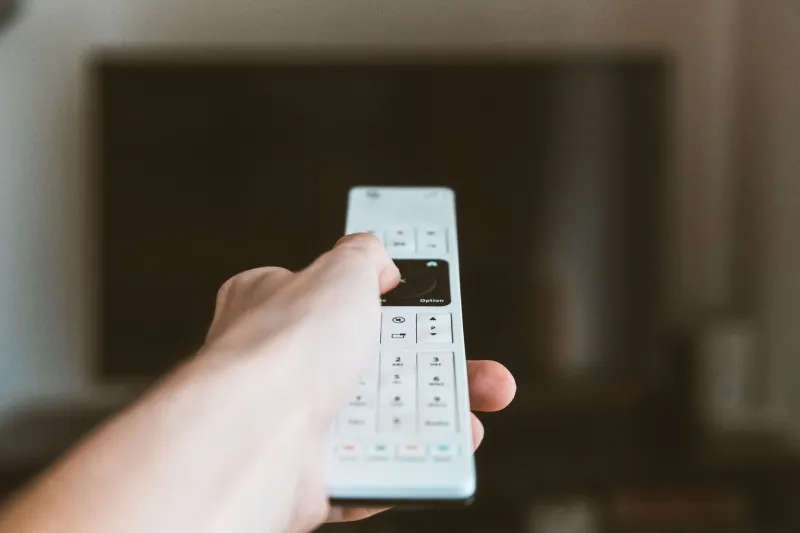
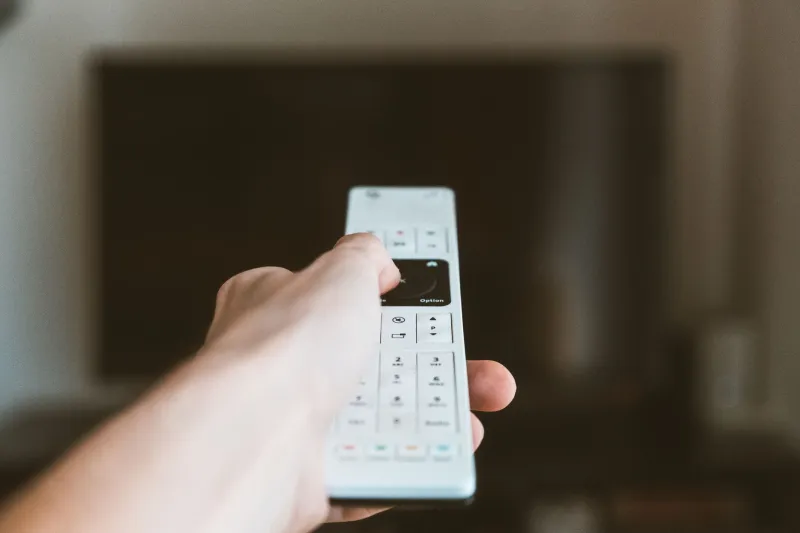
Somewhere in a junk drawer in millions of American homes sits a remote control with a button that changed television forever. It doesn't say anything dramatic on it. No label, no fanfare. Just an arrow with a bar — the universal symbol for skip ahead. And when you press it, the machine jumps exactly 30 seconds.
That's it. That's the whole revolution.
A Feature That Wasn't Supposed to Exist
The 30-second skip was born on TiVo in the early 2000s, and here's the fun part: it wasn't officially in the manual at first. It was a hidden code — press Select, Play, Select, then 3-0-Select on your remote — that unlocked a skip function the company was apparently a little nervous about advertising. TiVo's whole pitch to networks was that DVRs were good for advertisers, that viewers would watch more of the shows they loved. The skip button quietly undermined that sales pitch in the most effective way possible.
DVR loyalists defended the button like it was a constitutional right. When ReplayTV got sued by a coalition of networks for including an auto-skip feature, TiVo users watched nervously, wondering if their beloved 30-second jump would be next. It survived. And once it survived, it spread everywhere — cable boxes, streaming apps, YouTube, every platform that touches a screen in your living room.
Why 30? The Number That Matched the Ad
The genius of the skip button is that its length wasn't arbitrary — it was surgical. The standard American commercial break was built on 30-second ad units. Skip 30 seconds, and you land more or less on the other side of the pitch. One tap, one ad, gone.
It's a perfect example of what this site is about: everything, anywhere, just a number away. The number 30 wasn't chosen by engineers thinking about attention spans. It was chosen because advertisers had spent decades organizing television around it. The weapon that killed the commercial break was calibrated by the commercial break.
And it worked because 30 seconds is roughly the outer limit of human patience for something you didn't ask for. Longer than that and you'd reach for the fast-forward button anyway. Shorter and you'd still be inside the ad when the skip fired. Thirty was the exact gap between annoyance and action.
The Networks Saw It Coming — Sort Of
Television didn't die quietly. It adapted. You've probably noticed the changes without naming them:
- Fewer, longer breaks. Why cut to commercials six times when viewers will skip every single one? Shows now sit through longer, denser pods.
- Banners and bugs. If you can't make them watch the ad, put the ad on top of the show.
- Product placement on steroids. When a contestant on a reality show dramatically sips a branded iced coffee, that placement survives the skip button perfectly. You can't jump past what's baked into the frame.
- The live event. Sports became the last unskippable frontier, because nobody DVRs the fourth quarter on purpose.
That last one explains why the Super Bowl ad never just survived — it became a bigger cultural event than ever. The skip button can't touch live television, so the one night a year when Americans voluntarily watch commercials became premium real estate. A 30-second Super Bowl spot now costs more than most independent films. The button that killed the everyday ad turned the Super Bowl ad into a Super Bowl of its own.
So Why Doesn't Netflix Have One?
Here's the strangest footnote in the whole story: the biggest streaming platform on Earth has never shipped a 30-second skip button. Not for shows, not for movies. Netflix will happily let you skip an entire intro, but the moment the story starts, you watch at the speed Netflix decides.
Part of it is content philosophy — Netflix sells you the story, not the schedule, so there's nothing to skip to. Part of it is control. A platform that owns your playback owns your data, and a skip button muddies the clean metrics of engagement. Every tap of a skip button is a viewer telling the machine exactly what they didn't want to watch. Some numbers are more useful uncollected.
Meanwhile, Hulu runs ads and YouTube practically begs you to skip — but only after five unskippable seconds, a number that exists purely to train you into the habit of watching something.
What 30 Seconds Says About Us
Strip away the tech history and the 30-second skip is really a document about American patience. We didn't lose the ability to wait all at once. We lost it in 30-second increments, thousands of times, one commercial break at a time. The button didn't create our impatience — it gave impatience a precise unit of measurement.
And now that unit is everywhere. Podcast apps default to 30-second skips. Voice assistants obey "skip forward 30 seconds" without complaint. Entire generations have grown up knowing that anything boring is, at most, half a minute from being behind you.
The ad industry spent a century teaching America that 30 seconds was the price of entertainment. Then a little gray button taught us we didn't have to pay it. Everything, anywhere — and apparently, everything skippable, too.